Hyperbaric Chambers for Sports Recovery UK: A Complete Buyer's Guide for Athletes & Coaches
Hyperbaric oxygen therapy (HBOT) has moved from specialist medical clinics into the training regimes of serious athletes. Whether you're a runner targeting faster recovery between sessions, a footballer managing soft-tissue injuries, or a strength coach supporting a small team, portable hyperbaric chambers are now accessible at home or club level. This guide covers what the evidence actually shows, which specifications matter, and what to realistically expect.
What Is Hyperbaric Oxygen Therapy?
Hyperbaric chambers are pressurised enclosures filled with pure oxygen or oxygen-enriched air. Athletes enter the chamber, which is pressurised to 1.5–3.0 atmospheres absolute (ATA)—significantly higher than normal air pressure—to increase the oxygen dissolved in their blood and delivered to tissues. A typical session lasts 60–90 minutes.
The mechanism is straightforward: higher pressure increases oxygen solubility in plasma (the liquid part of blood), bypassing the normal limitation of haemoglobin saturation. This delivers extra oxygen to muscles, tendons, and connective tissue, which the theory holds will accelerate recovery.
Evidence for Sports Recovery
The science is mixed, and honest athletes should know the nuance.
VO2 Max and Aerobic Capacity: Some studies show modest gains in aerobic performance following HBOT protocols, particularly in endurance sports. A 2020 analysis found elite athletes saw small improvements in peak oxygen uptake (1–3%), though results varied widely. The effect is real but not dramatic—comparable to optimising training volume or altitude work.
Inflammation and Muscle Soreness: The strongest evidence sits here. HBOT does suppress inflammatory markers (IL-6, TNF-α) and appears to reduce delayed-onset muscle soreness (DOMS) by 20–30% in some trials. Athletes report subjectively faster recovery after intense sessions. This isn't reversing injury; it's reducing the inflammatory overshoot that follows hard training.
Muscle Repair and Injury Recovery: Evidence for faster healing of muscle tears or sprains is weaker. HBOT may accelerate tissue repair by increasing collagen synthesis and angiogenesis (new blood vessel formation), but most clinical trials have involved non-athlete populations with chronic wounds or delayed healing. For acute muscle pulls, the data doesn't clearly support HBOT as a primary intervention—rest, load management, and physiotherapy still lead.
What This Means: HBOT appears most useful for managing the inflammatory phase of training stress and potentially shortening recovery windows between hard sessions. It's not a substitute for technique, programming, or medical treatment of genuine injuries.
Key Chamber Specifications
Not all chambers are equal. If you're evaluating portable options, these specs affect real outcomes:
Atmospheric Pressure (ATA): 1.5 ATA is the practical minimum; 2.4–2.8 ATA is typical for sports applications. Higher pressure increases dissolved oxygen but also discomfort and equipment cost. Verify the actual operating pressure—some marketed chambers run at soft pressures (1.3 ATA) that are closer to sauna-level therapy than clinical HBOT.
Duration: Sessions should run 60–90 minutes at therapeutic pressure. Shorter sessions deliver negligible benefit.
Oxygen Delivery: Soft-sided chambers use ambient air. Hard chambers can be fitted with oxygen concentrators or deliver medical-grade oxygen through masks or hoods, significantly increasing plasma oxygen levels. This is a major difference in effectiveness.
Cycling and Frequency: Most protocols call for 5–10 sessions over 2–3 weeks, then maintenance sessions weekly or fortnightly. Chambers that can maintain consistent pressure cycles matter; frequent pressure fluctuations reduce efficacy.
Safety Features: Pressure gauges, emergency exits, and backup power are non-negotiable. Hyperbaric environments demand respect—fire risk, nitrogen narcosis (at very high pressures), and barotrauma (pressure-related injury) are rare but real.
Portable vs. Hard Chambers
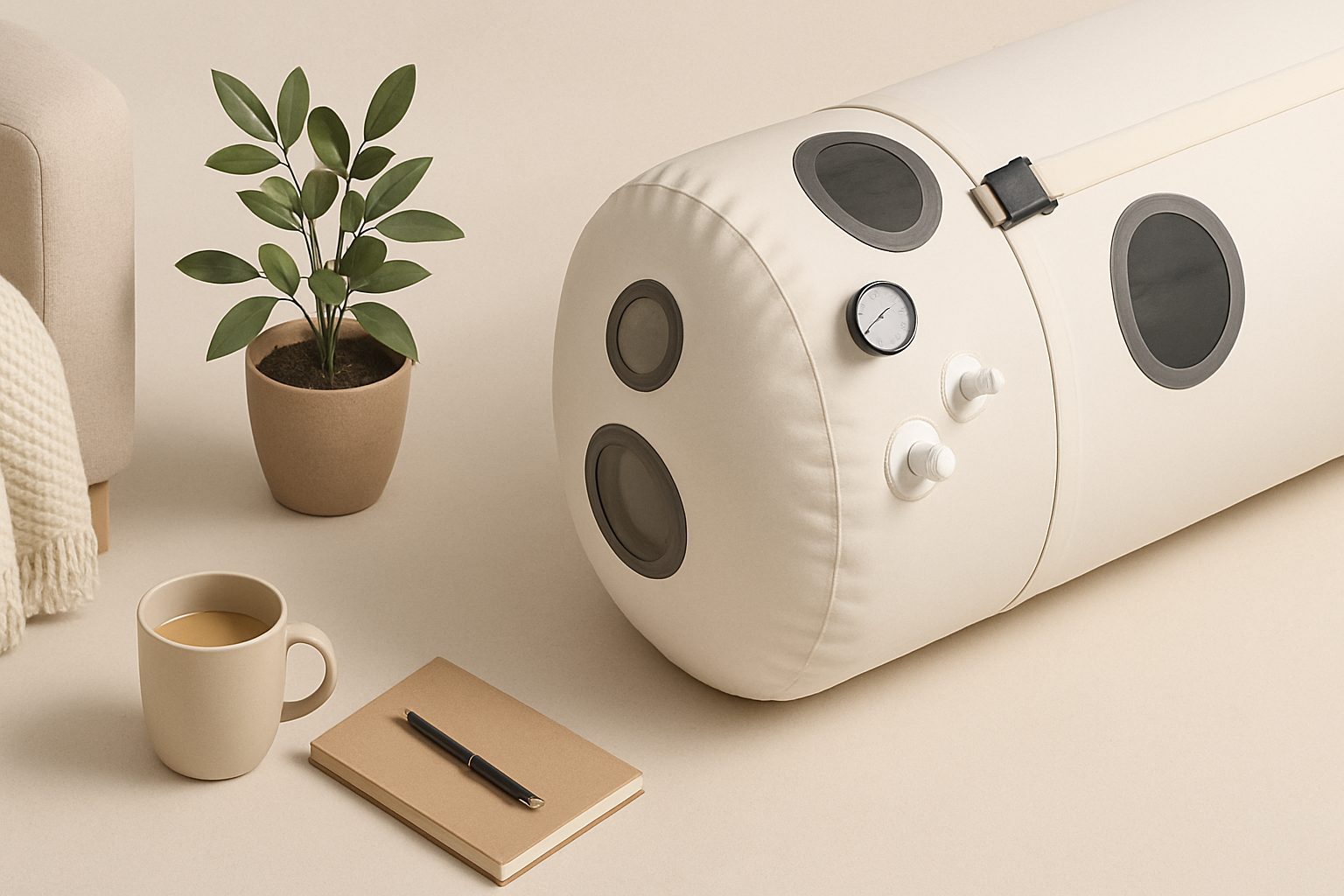
Portable (Soft-Sided) Chambers: Inflate to 1.3–1.5 ATA, suit home or club use, cost £2,000–£8,000, require minimal installation. They're convenient and accessible but operate at the lower end of therapeutic pressure and can't deliver supplemental oxygen effectively. Best for routine recovery between training blocks, not acute injury management.
Hard Chambers: Rigid steel or acrylic shells, operate reliably at 2.4–3.0 ATA, support oxygen delivery, cost £15,000–£100,000+. Typically found in private clinics or elite sport facilities. Overkill for home use but genuinely therapeutic for intensive protocols.
For most athlete buyers, portable chambers bridge the gap: lower cost, practical installation, and consistent light-pressure therapy without claims they can't support.
What to Consider When Buying
Realistic Claims: If a manufacturer promises injury cure or performance breakthroughs beyond the science, step back. Evidence-based HBOT is recovery support, not magic.
Pressure Specifications: Confirm actual operating pressure (not marketing language like "clinical-grade"). Anything below 1.3 ATA is questionable; anything below 2.0 ATA on a portable unit is recovery-adjacent rather than therapeutic.
Build Quality: Seam integrity and material durability matter. Vinyl or PVC tears reduce effectiveness and safety. Check user longevity reports—some brands' chambers degrade within 18–24 months of regular use.
Power and Pump: Confirm the compressor is powerful enough to reach and maintain pressure. A weak pump means slower pressurisation and pressure drops mid-session.
Support and Service: Portable chambers occasionally need re-sealing or minor repair. Brands with UK-based customer support or warranty services reduce frustration.
Popular Options for Athletes
The portable chamber market in the UK includes established brands (Hyperbaric, HyperbaricPro, OxyHealth) and newer entrants. Look for models rated 1.3–1.5 ATA, reinforced seams, and user reviews mentioning consistent pressure hold and longevity. Prices range from £2,500 for basic single-occupant units to £6,000–£8,000 for larger or dual-chamber systems.
Hard chambers at UK private clinics typically charge £150–£250 per session. If you're considering purchase, calculate the break-even point: a £5,000 portable unit pays for itself in roughly 20–33 sessions versus clinic rates.
Final Word
Hyperbaric oxygen therapy for sports recovery is legitimate but modest in scope. It fits into a comprehensive recovery strategy—alongside sleep, nutrition, load management, and periodised training—not as a replacement for the fundamentals. For athletes managing high training loads or recovering from intensive blocks, a portable chamber is a worthwhile tool. Approach it with realistic expectations, verify pressure specifications, and prioritise build quality.
More options
- Portable Hyperbaric Chambers (1.3–1.5 ATA Soft-Shell) (Amazon UK)
- 10-Litre Oxygen Concentrators for Home HBOT (Amazon UK)
- Hyperbaric Chamber Inner Liners & Comfort Accessories (Amazon UK)
- Anti-Static Floor Mats & Hyperbaric Safety Equipment (Amazon UK)
- OxyHealth & Premium Hard-Shell Hyperbaric Systems (UK Distributors via AWIN) (Amazon UK)